

专访 BRUIT≤ | 创造难以被时代标签化的声音
2026-02-12

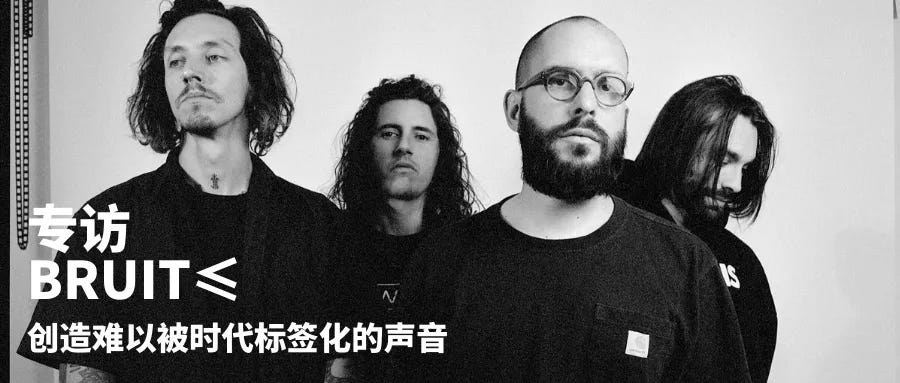
以多元乐器碰撞构建时空对话,用冷峻旋律叩问科技与人性的边界,法国乐队 BRUIT≤凭借专辑《The Age Of Ephemerality》,将权力、进步等深刻议题融入饱满扎实的音乐表达。恰逢 2026 年他们与 Ef 的中国巡演之前,UPEE 有幸邀请 BRUIT≤进行一期专访,一同探寻他们的创作巧思、现场演绎的独特哲学,以及对中国之行的热切期待。
UPEE:在你们去年发布的专辑《The Age Of Ephemerality》中,有不少关于当代与未来生活的思索,涉及权力、政治、立场等诸多又关联紧密的议题,你们期待听众从《The Age Of Ephemerality》获取到什么信息或展开怎样的思考?对你们来说,BRUIT≤ 在《The Age Of Ephemerality》的叙事中居于什么样的身份或状态?
Théo:这张专辑贯穿着由科技驱动的社会的多重反思——我们正被裹挟着以违背人性的方式奔向未来。当代社会已用技术进步及其附带的教条取代了上帝与古老信仰。当我们踏上新征程时,有两个问题值得深思——这条路将通向何方?我们还能折返吗?创新竞赛正彻底改变社会与环境,我们只想鼓励听众花时间思考这些关乎当下与后世的共同命题。我们的立场不过是呼唤常识——请暂停两分钟,自问这是否真是正确方向。
This album is permeated with various reflections on our technology-driven society, which is carrying us along on a forced march towards a future in conflict with human nature. Our society has replaced God and all our ancient beliefs with technological progress and all the dogmas that go with it. When we set out in a new direction, it makes sense to ask ourselves two questions: Where will this path lead us? Will we be able to turn back? The race for innovation is radically transforming our societies and our environment, and we simply want to encourage listeners to take the time to reflect on these questions that concern us all, both now and for future generations. Our position is simply an appeal to common sense: let us pause for two minutes and ask ourselves whether this is really the right direction to take.
UPEE:《The Age Of Ephemerality》的收听过程中可以感受到诸多配器以及声音效果的碰撞与融合,对于不同元素内容的架构过程,以及由此贯连起 BRUIT≤ 在专辑中的叙事,我们好奇对于这张专辑而言,你们的创作过程通常是什么样的?
Clément:在我们的创作过程中,音乐意图、制作技术与文学理念始终都在互相对话。我认为只有如此才能构建出深度、扎实且经得起反复聆听的音乐。在《The Age Of Ephemerality》的语境中,专辑的文学核心是质疑人类与科技的关系,以及随之而来的对进步的无休止追求。将截然不同时代的科技层叠加,让它们相互碰撞回应,围绕我们听觉所辨识的“现代”或“复古”创造出潜文本。最终,当代计算机与昔日的模块化合成器、九十年代的电吉他、贝斯、鼓组,乃至1860年的教堂管风琴等百年古典乐器在此专辑中共生共存。其核心目标是创造一种难以被时代标签化的声音,更重要的是,这种声音本身就在质疑现代性概念的本质。
In our compositional process, there is always a dialogue between musical intent, production techniques, and literary ideas. I think this is how you build music that is deep, solid, and able to withstand countless listens. In the context of The Age Of Ephemerality, the album’s literary concept was to question our relationship with technology and the relentless pursuit of progress that comes with it. It felt coherent and elegant to superimpose technological layers from radically different eras, allowing them to confront and respond to one another, and to create a subtext around what the ear identifies as “modern” or “vintage.” As a result, today’s computers coexist on this record with yesterday’s modular synthesizers, 1990s electric guitars, basses, and drums, alongside an 1860 church organ and other century-old classical instruments. The goal was to arrive at a sound that is difficult to date, but above all one that questions the very notion of modernity.
UPEE:在录制《The Age Of Ephemerality》的过程中你们有与不少客座乐手合作,甚至还去到教堂等特别的场所进行录制,可以分享在这张专辑的幕后有发生什么印象深刻的故事吗?
Clément:教堂犹如一个拥有巨大共鸣腔体的乐器。即便你在其中演奏乐器,教堂本身也在演绎你。我们在古典音乐领域已经习惯这种声学互动——管风琴、人声、铜管乐器都是——但当我们决定召集七位来自图卢兹的朋友组建电吉他管弦乐团时,这成了一种全新的体验。我们几乎一整天都在即兴演奏反馈交响曲与齐奏乐段,并由十米外架设的麦克风捕捉着在这个巨大空间里交错互动的所有声响。
A church is like a musical instrument with a huge resonating body. Even when you play an instrument inside it, the church itself is also playing you. We are used to this kind of acoustic interaction with classical music―organs, voices, brass―but it became a completely new experience when we decided to try assembling an electric guitar orchestra with seven friends from Toulouse. We spent an entire day playing together, improvising feedback symphonies and unison riffs, captured by microphones placed ten meters away to record how all these sounds interacted inside this immense resonant space.
UPEE:作为一支在创作中拥有不小流派跨度的乐队,你们会如何看待流派概念对你们的影响?无论是作为创作音乐的表达者,亦或是作为收听音乐的听众身份而言?
Théo:作为听众,乐队标签对发掘新艺人极具价值。这是种捷径,让你能暂时将乐队归类,从而快速决定是否尝试聆听。但对乐队而言,这种标签化在多数情况下过于简化。艺术家的目标不正是突破常规以创造新意吗?子流派往往将乐队和不同听众分割成小众圈层,而音乐本应该是让人们凝聚起来而非迫使听众分离。
As a listener, labels placed on bands are very useful for discovering new artists. It’s a shortcut that allows you to temporarily pigeonhole a band so you can quickly decide whether or not to give them a try. But for bands, this is unfortunately very reductive in most cases. Isn’t the artist’s goal precisely to break free from conventions in order to bring something new to the table? Musical subgenres tend to compartmentalise bands and different audiences into niche scenes, and I think that isolates people when music should bring them together.
UPEE:BRUIT≤ 的音乐和表达都足够饱满、扎实,相比录音室呈现,在现场你们会对这些作品有什么不一样的诠释吗?
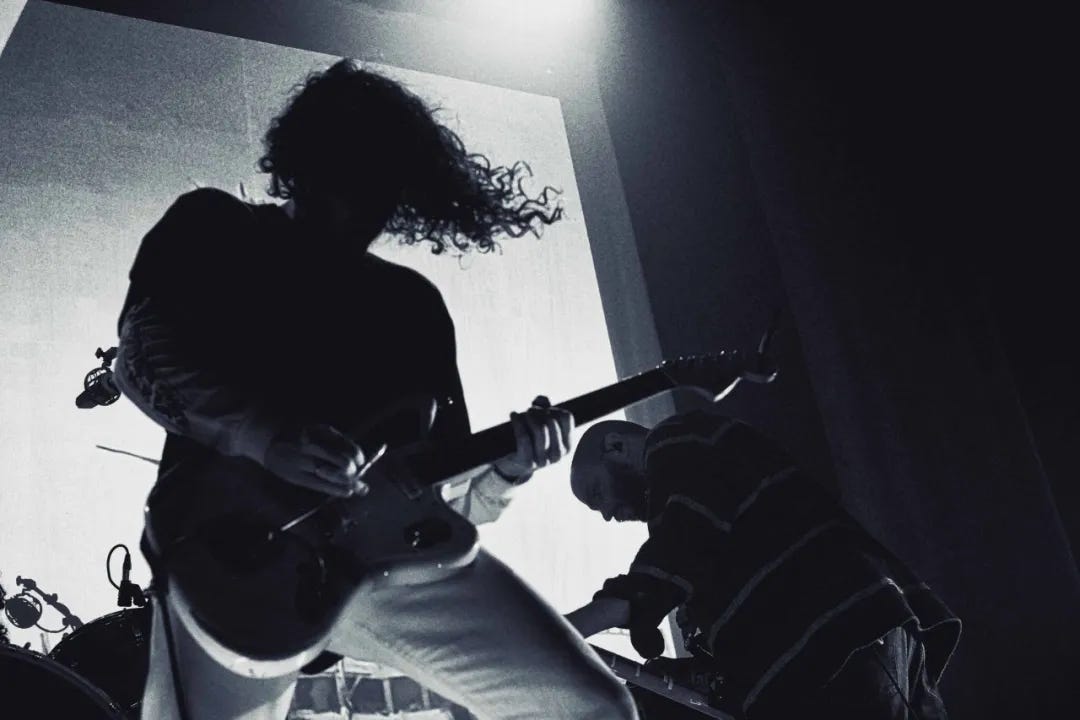
Clément:我们追求呈现与录音室版本不同的现场版本,希望带来令人惊喜的体验,并为我们的音乐提供不一样的解读。我觉得我们的现场比录音更具爆发力与狂野感,但最重要的始终是将原始而直击灵魂的情感置于这场体验的核心。
We try to offer live versions that sound different from the studio recordings. We want it to be a surprising experience that offers a new reading of our repertoire. I think our live music is more energetic and wilder than on record, but above all, raw and visceral emotion has to be at the center of the experience.
UPEE:如果可以,你们会期待在什么样的场景来演绎《The Age Of Ephemerality》这张专辑?
Clément:我梦想在配备真实管风琴并由完整管弦乐团伴奏的大型古典音乐厅演出。此外,就这张专辑而言,粗野主义建筑给我带来诸多灵感。我认为那个时代的许多建筑都能成为《The Age Of Ephemerality》的完美背景。
I dream of playing in large classical concert halls with a real organ and a full orchestra accompanying us. Otherwise, specifically for this record, I found a lot of inspiration in brutalist architecture. I think many buildings from that era could serve as a perfect backdrop for The Age Of Ephemerality.
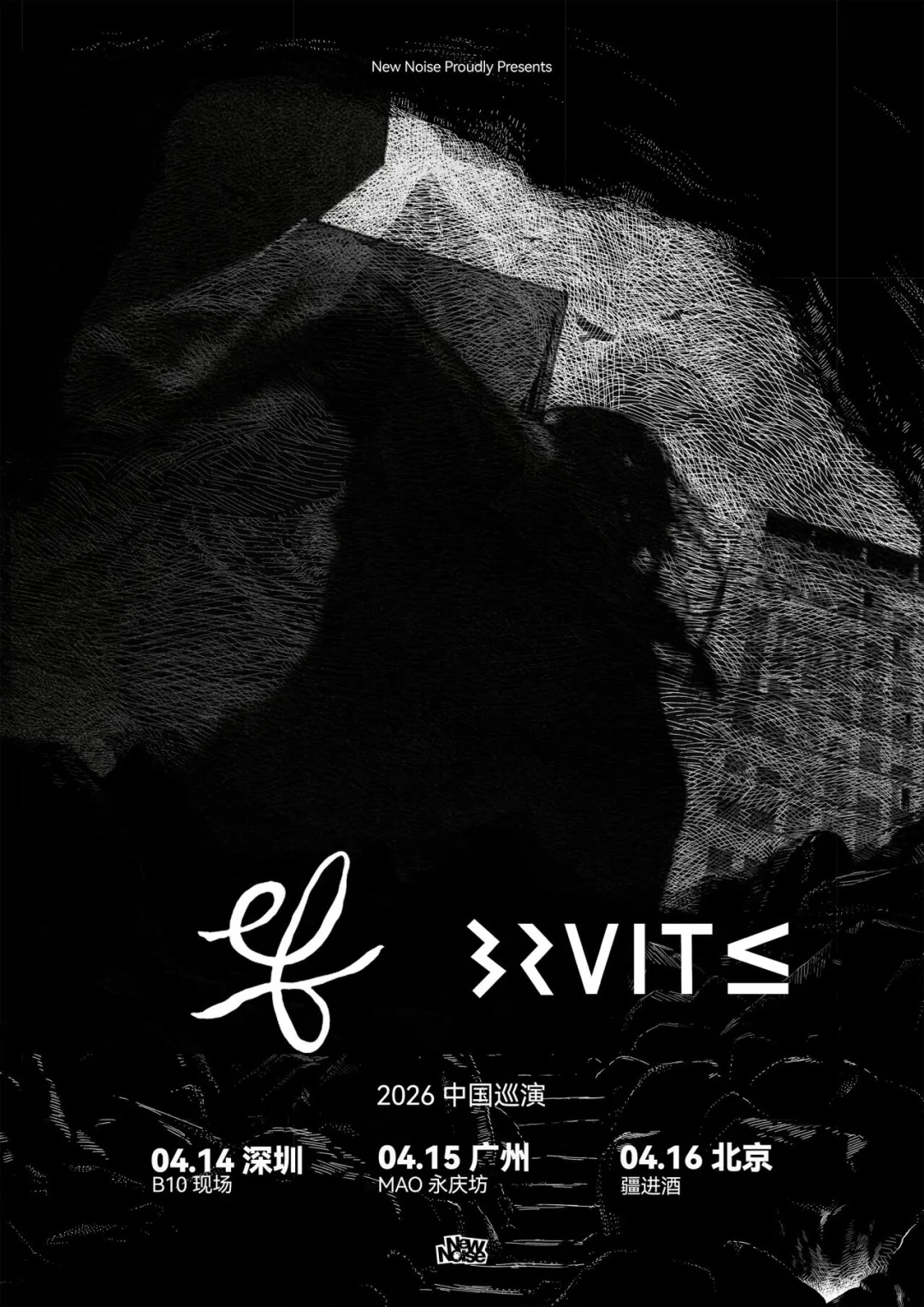
UPEE:对于马上启程的中国巡演,你们将与 Ef 共演,对此有什么期待吗?
Théo:我们期待已久,非常好奇并渴望探索中国,尤其是这里的人们。更迫不及待想在舞台上见到Ef乐队——我们听着他们的音乐长大,能与他们同台巡演是莫大的荣幸。
We’ve been waiting for this for a long time, we’re really curious and eager to discover the region, and especially the people. And we can’t wait to see Ef on stage, we grew up with their music and it’s an honour to tour with them.