

专访 Múm | 让音乐寻找自己的出路
2026-3-25

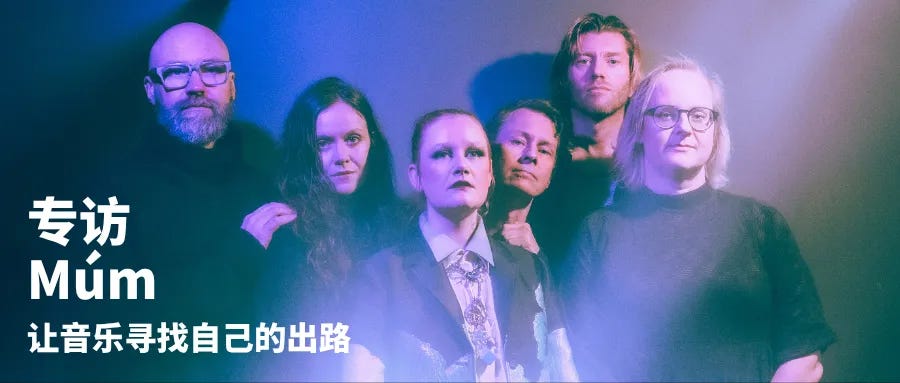
在实验与情绪之间平衡,冰岛乐队 Múm 始终以自由、灵活的创作姿态,刻画自己的声音场域。去年他们时隔十二年推出《History of Silence》,继续在好奇心与克制感中为听众带来一场难以被定义的听觉历程。恰逢他们再度开启中国巡演之际,UPEE 有幸邀请 Múm 进行一期专访,一同走进他们的创作与感受,成员 Örvar Smárason 对我们的提问进行了答复。
UPEE:Múm 的音乐拥有非常多来自 Indietronica、Ambient 的气质,具有实验性与情感性的平衡,而除此之外,在你们如此长的发行序列中也有很多突破和尝试,你们会如何形容 Múm 作为创作者的声音特质?
Örvar:在创作音乐时,我们总是尽量避免去过多地思考“自我特征”这件事。特征往往是事后回顾时才会清晰的东西,如果太早去关注它,反而会成为阻碍。我们只是跟随着当下觉得有趣的一切。
“玩乐”始终是我们创作的核心,我们一直试图在“好奇心”与“克制”之间寻找一种平衡。
至于 Indietronica,这是我们永远不会用来标榜自己的标签。我觉得这个流派是在我们前几张专辑发行之后才逐渐兴起的,所以如果一定要说的话……我认为是 Indietronica 受到了我们的影响。
We’ve always tried to avoid thinking too much about identity while making music. It’s one of those things that becomes visible in hindsight, but if you focus on it too early, it can get in the way. We just follow whatever feels interesting at the time.
Playfulness is something that is always at the core of what we do and we try and strike a balance between curiosity and restraint.
Indietronica is a label we would never use for ourselves, but I think it is a genre that grew after our first albums were released, so if anything… I would say Indietronica drew heavily from us rather than the other way around.
UPEE:这种特征有给你们的创作带来什么影响,无论是作为一个想要坚持的核心理念或曾经给你们带来束缚的命题?
Örvar:如果说我们有什么标志性的特征,它更像是一个影子而非骨架。它跟随作品而生,但并不主导创作。一旦它开始主导,创作就会变得不再有趣,也不会有效。
这种特质可能更多源于我们倾听彼此以及回应彼此的方式。我们并不刻意去维持它,它也从未让我们感到束缚,因为我们从未将其视为某种固定不变的东西。
If there is a signature, it’s more like a shadow than a structure. It follows the work, but it doesn’t lead it. The moment it starts leading, it would stop being enjoyable or useful.
It probably comes from the way we listen and respond to each other more than anything else. It’s not something we try to maintain, and it never really feels restrictive because we don’t treat it as something fixed.
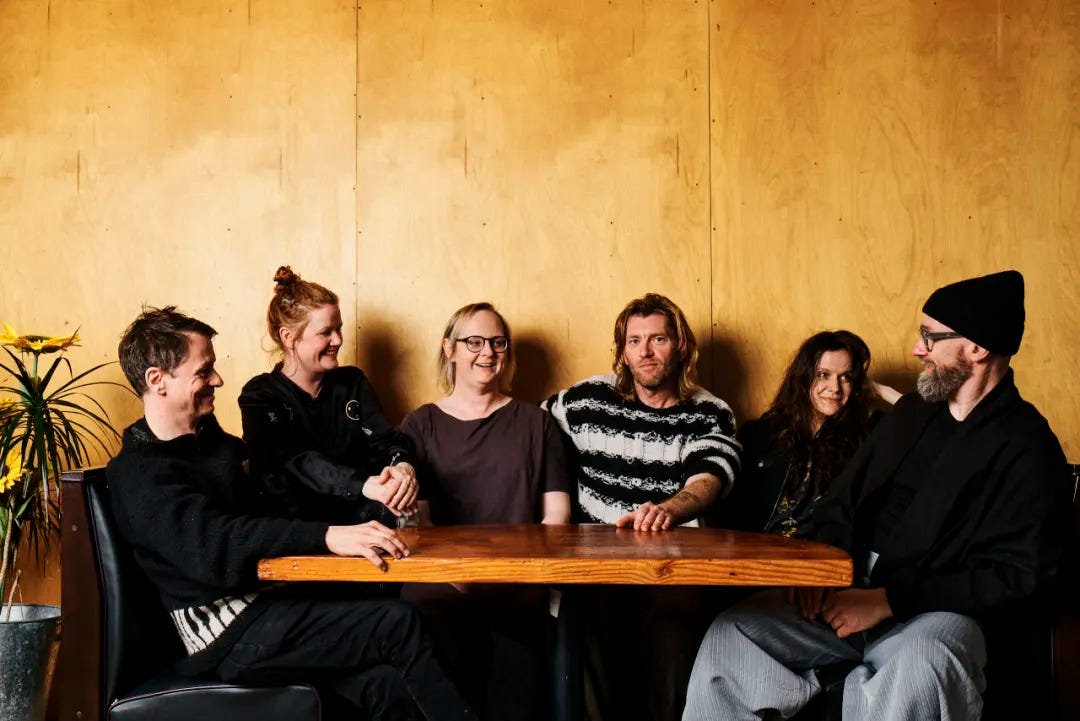
UPEE:不同阶段的 Múm 在对应的发行之间都有所区别,例如《Yesterday Was Dramatic - Today Is OK》中的年轻气息和《Summer Make Good》《Go Go Smear the Poison Ivy》的沉稳,你们觉得现在 Múm 的创作和演奏的状态是怎样的?
Örvar:对我们来说,每一张专辑的感觉都是截然不同的。我们从不设定严格的目标或想要创造的精确音色,而是让音乐寻找自己的出路。当你这样做时,结果永远不会重样。
在《History of Silence》中,那份好奇心依旧,但也许我们现在变得更有耐心了——更愿意让事物随时间沉淀,各归其位。我觉得现在的词曲创作更清晰了一些。过去,歌曲往往只是随性漂流和演变,没有清晰的结构;但在这张专辑中,即便它依然以不寻常的方式游走,却拥有了更强的形式感。
For us every album feels different to each other. We never set out with any strict goals or exact sounds that we want to create, but let the music find it’s own way and when you do that, the result will never be the same.
On History of Silence, the curiosity is the same, but maybe we’re a bit more patient now more willing to let things take time and settle into place. I think there’s a bit more clarity in the songwriting now. In the past, songs would often just drift and evolve without a clear structure, but on this album there’s a stronger sense of form even if it still moves in unusual ways.
UPEE:从《Smilewound》到《History of Silence》之间相隔了 12 年,这也是 Múm 成立以来在发行上最长的“空白期”。这段时间的经历或体验有为你们创作《History of Silence》带来什么具体的影响吗,无论音乐层面或文本上的?
Örvar:外界看来是很长的空白,但从内部看并不觉得。我们一直在忙于不同的项目,所以创作过程从未真正停止过……它只是变换了形态。
我们在 2017 到 2018 年左右开始筹备另一张专辑,但最终放弃了。其中一些歌曲至今还存在,像幽灵一样缠绕着我们。
至于视角和影响,很难将生活与音乐完全剥离开来。万事万物都会渗透进来,但很少能以一种你可以清晰辨认或解释的方式呈现。
It might look like a long gap, but it didn’t feel like one from the inside. We were constantly working on different projects, so the process never really stopped… it just changed shape.
We started work on another album around 2017-18, but we ended up abandoning that one. Some of the songs are still around, like ghosts haunting us.
As for perspectives and influences, it’s hard to separate life from the music in that way. Everything seeps in, but rarely in a way that you can clearly identify or explain.
UPEE:“History of Silence”听起来像是一个非常大的命题,可以分享是怎么想到这个创作概念的吗?
Örvar:它并不是刻意构思出来的。这个想法一直悬浮在背景里,直到创作后期我们才定下这个标题。
但一旦定下来,就感觉非常完美。在它产生具体意义之前,这种感觉就已经存在了。这是一个非常开放的标题,有很多不同的解读。沉默一直是与 Múm 紧密相连的元素,而在这张专辑中,我们对沉默的使用确实比以往任何时候都多。此外,去探寻一段由“缺失”定义的事物的历史,这本身就很有趣。这种张力让我们着迷,但对我们来说也是一种熟悉的思考方式。也许有点像《Finally We Are No One》。
It didn’t really come about in a deliberate way. The idea was floating in the background and we didn’t decide on the title until quite late in the process.
But as soon as we had, it felt perfect. And that was long before it made sense, it’s a very open title with so many different interpretations. Silence is something that has been long connected with múm and we are definitely using the element of silence more on this album than we have ever before. And then there is just something interesting about a history of something that is defined by absence. That tension felt interesting, but it’s also a familiar way of thought for us. A bit like Finally We Are No One maybe.
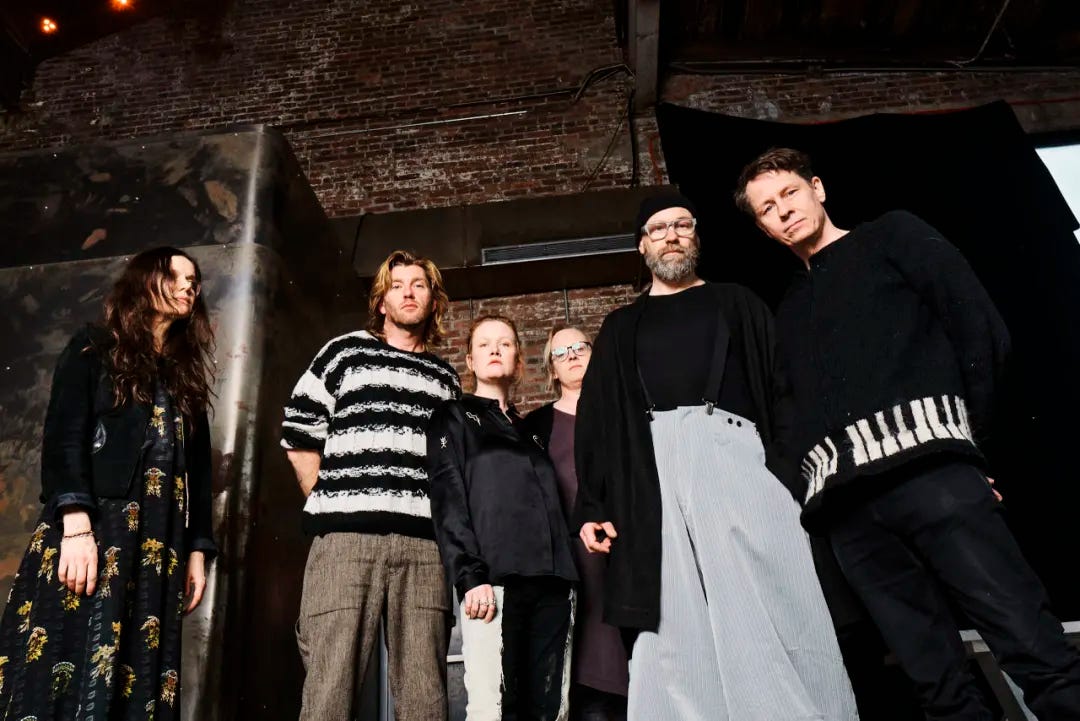
UPEE:Múm 的成员分散在冰岛、芬兰、德国、希腊,《History of Silence》的录制也从意大利的 Sudestudio 辗转至雷克雅未克、柏林、雅典、赫尔辛基、纽约与布拉格,这些不同的空间有对你们的音乐带来什么影响吗,你们又是如何应对的?
Örvar:我们一开始其实是想反其道而行之……这张专辑唯一明确的想法就是待在一个地方,保持高度专注,像一支乐队一样共同录音。那段时光非常棒,也很有趣。但在那之后,我们不得不跟随音乐的指引前往它需要去的地方,这意味着我们又开始了跨越不同空间的协作。
我觉得这些空间存在于音乐中,但不是以一种具象的方式。它更多关乎空间所创造的环境、不同的专注度和能量,而不是某种绑定在特定地点的声音。最终,这张专辑在空间感上反而显得非常统一。
We started by trying to do the opposite… probably the only clear idea we had for this album was to be in one place, very focused and recording together as a band. Which was great and so much fun. But after that, we just had to follow the music wherever it needed to go and that meant working across different places again.
I think the spaces are present in the music, but not in a literal way. It’s more about the conditions they create, different kinds of focus and different energies, rather than any specific sound tied to a place. And in the end, the album actually feels quite unified, spatially.
UPEE:冰岛的音乐对我们现在看待另类音乐和器乐类型音乐的方式有很大的影响,作为一支来自冰岛的乐队,我们好奇你们会如何形容冰岛当下的音乐场景?有没有什么新一代的冰岛创作者或乐队你们认为值得推荐?
Örvar:外界可能倾向于将冰岛音乐神话化,但从内部看,它就像是一群人用自己的方式在创作。和任何地方一样,它也有起伏。但目前感觉一切都在往好的方向发展——那种强烈的社区感和开放感又回来了。我觉得冰岛音乐一直以来的迷人之处在于人们不会被流派所束缚。现在看来依然如此,这是一个好迹象。
现在有很多令人兴奋的新晋艺术家,比如:BSÍ、Amor Vincit Omnia、Inspector Spacetime、K.óla 以及 Rakel。我肯定漏掉了很多,这类列举总是会有这个遗憾。
Múm 的每个成员也都参与了许多不同的项目,Gyða 刚刚发布了她的个人新专辑,我和 Silla 今年应该也会有个人新专辑问世。几年前我曾随我的另一个项目 Team Dreams(与 Sin Fang 和 Sóley 合作)来中国巡演,希望不久后能再次把它带到中国。
There might be a tendency to mythologise Icelandic music from the outside, but from within it just feels like a group of people making things in their own way. Like anywhere, it has its ups and downs. But at the moment it feels like things are moving in a good direction — there’s a strong sense of community and openness again. I think what has always been interesting about Icelandic music is that people don’t feel too bound by genre. That still seems to be the case, which is a good sign.
There are a bunch of exciting artists coming up right now, just to mention a few: BSÍ, Amor Vincit Omnia, Inspector Spacetime, K.óla, and Rakel. I’m sure I’m forgetting many, which is always the problem with lists like this.
Everyone in múm is also involved in so many different projects, Gyða just released her new solo album and I think both me and Silla have new solo albums coming out this year as well. I toured China with another project I’m involved with a few years back, Team Dreams with Sin Fang and Sóley and I hope we can bring that back to China at some point soon.
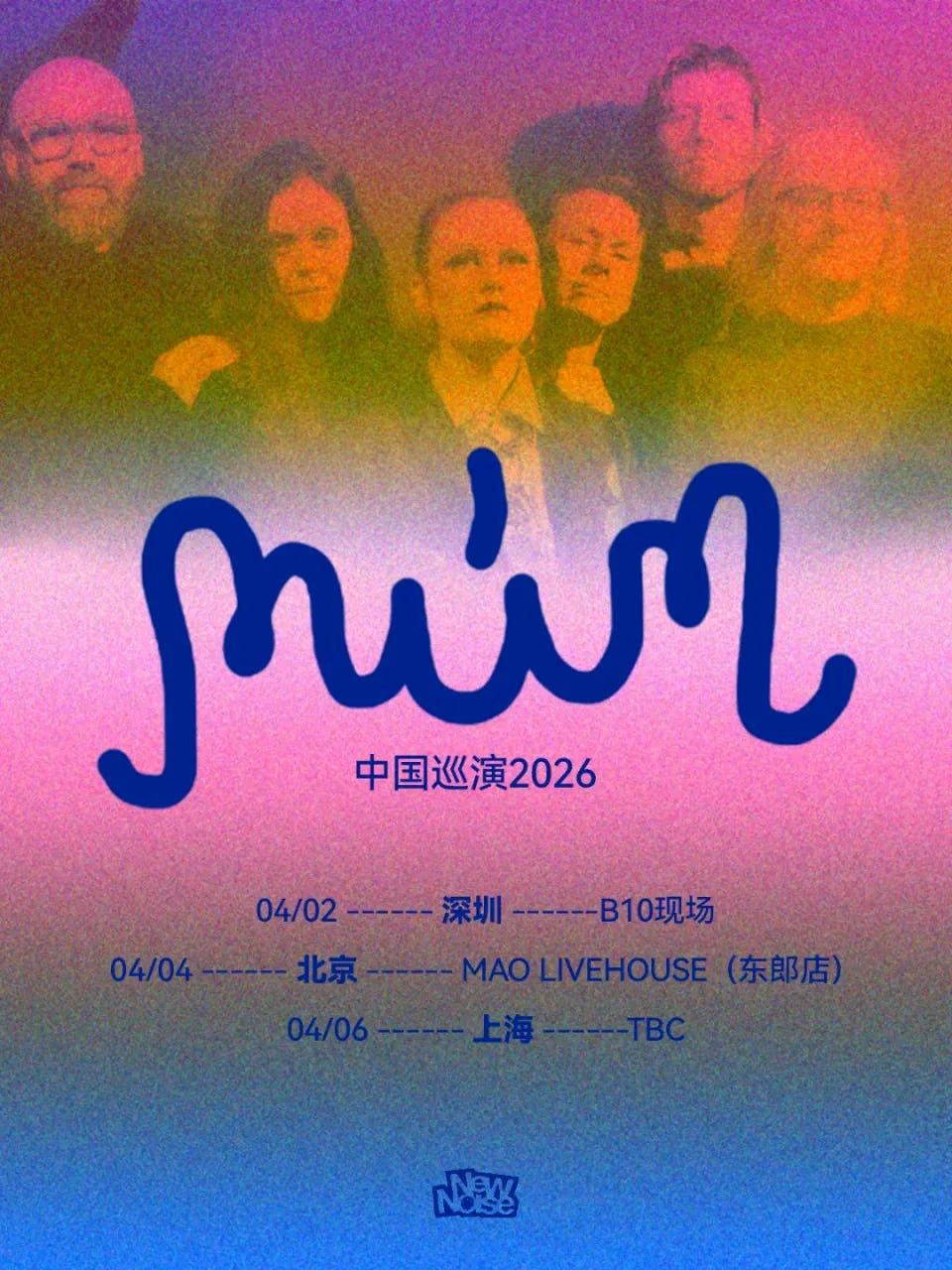
UPEE:你们曾在 2019 年来到中国进行一轮巡演,对于上一次巡演有留下什么印象深刻的记忆吗?
Örvar:那是一次很棒的巡演,我们有着非常温暖的回忆。我想那实际上是我们第二次中国巡演,去年我们也回来参加了 Can。
It was a great tour and we remember it fondly. I think that was actually our second tour of China and then we came back last year to play CAN festival.
UPEE:对于即将启程的中国巡演,有什么期待?
Örvar:显而易见,是美食…… 还有见到所有可爱的人们。
The food obviously… and meeting all the lovely people.